
What’s driving the popularity of online trading in the UAE?
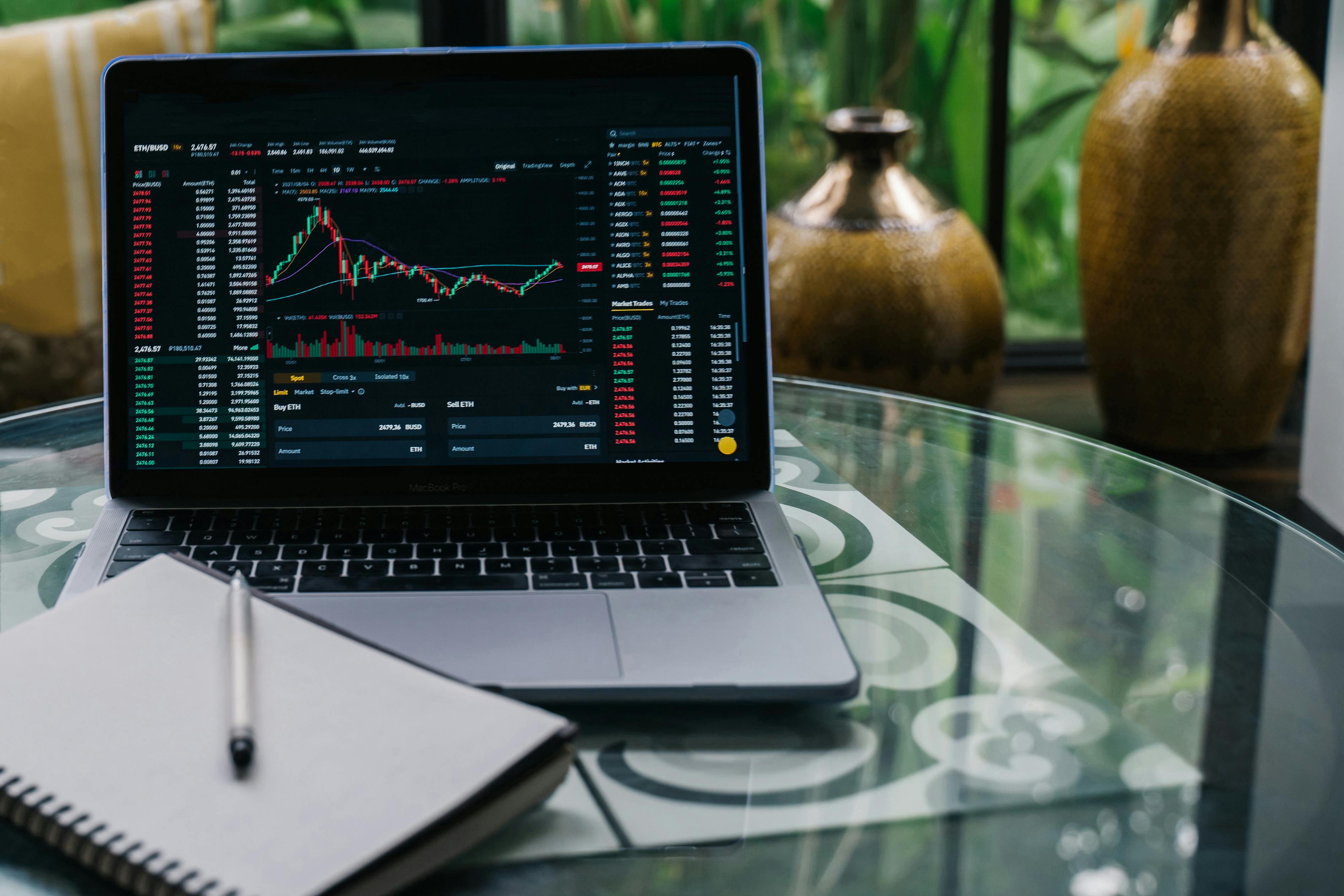
Like many other places in the world, the UAE has opened its doors to online trading. It’s no longer a surprise to see a young professional scrolling through his smartphone on a Saturday afternoon, trading a slice of Apple stock or placing a small forex order. This once-niche industry is attracting attention from many people across the region.
You may actually be surprised to learn that, according to Finance Magnates, FX and CFD traders in the UAE reached 49,000 in 2023. If that’s not enough, UAE traders executed about 19.5 million trades across various markets in 2024 alone. And in another article published by menews247.com, the region registered over 6,000 specifically for forex trading topics – one of the highest worldwide.
Thanks to platforms like MetaTrader 5, users no longer need to travel to physical locations to access the markets. These platforms are quite convenient, allowing traders to monitor markets in real time and execute orders within seconds. But you can agree that convenience alone is not the only reason placing trades has become popular in the UAE. So, what are the other reasons?
Keeping pace with the popularity of mobiles
People don’t just sign up for online platforms only to place trades conveniently. They also expect the surrounding experience to be smooth. This is where tailoring a platform for mobile use becomes critical. If you recall, earlier versions of trading platforms were largely desktop-based, sometimes clunky, and not always intuitive. You needed a stable internet connection and a larger screen to navigate charts and execute positions.
Today, that experience completely changed. While a stable internet connection remains a very important part of the equation, most traders are now on their mobile devices. After all, phones and tablets are flexible, allowing you to get into action from anywhere at any time. But who wants a platform that lags, freezes or feels cramped on a small screen? According to Tenet UI UX, over seven in ten users will abandon a website if it’s not mobile-friendly.
Such statistics put pressure on companies to move from a desktop-first approach to a mobile-first approach. This is why you may have noticed that responsive design is now the standard. In responsive design, designers use adaptive layouts to create experiences that feel natural, no matter the screen size. So, whether you’re using a tablet or a laptop, you can always be sure of a consistent experience all through.
Charts resize smoothly even as buttons remain easy to tap. To further tailor the experience, some platforms have adopted push notifications to keep traders in the loop. In this way, you’re always rightly positioned to take advantage of market opportunities whenever they surface.
Security is a non-negotiable
It’s indeed true that the convenience of websites is a blessing to the trading industry. But as traders interact with these platforms, they often leave behind sensitive information, including personal identification and banking details. Unfortunately, this information is also what many malicious actors are eyeing.
In the UAE alone, cyberattacks can range from 90,000 to 200,000 per day. This data, by the region’s Government Cybersecurity Council, shows just how cybercriminals are increasingly targeting digital platforms, including trading sites. And as the attacks increase, internet users are becoming more cautious about where they share their data.
This is why a trader would hesitate to sign up for a website that lacks features like two-factor authentication (2FA). 2FA protects users by adding an extra layer of security beyond just a password. At least someone won’t be able to access your account even if they manage to steal your password. Simple as it may sound, this infrastructure can surprisingly protect you from up to 99.9% of automated attacks.
To further improve security, other platforms are integrating AI-powered mechanisms. AI, as you may know it, has a robust computational ability, allowing it to process enormous amounts of data in no time. This becomes handy when a platform needs to flag suspicious activity in real time and prevent potential breaches before they happen. As a result, users become more confident, which, in turn, leads to increased participation.
Improving other aspects of the user experience
There are other aspects that trading platforms continually refine to keep users engaged. For instance, instant payment methods make the journey less stressful and more engaging. You don’t want to work with a platform that requires you to wait a long time before you can receive your funds. This can be frustrating and even cause you to turn away completely.
Thankfully, websites targeting the UAE market are aware of this and have been working hard to ensure a smooth transaction process. Beyond payments, some support customizable dashboards. Think of it as having your own personal control center where you can arrange news feeds, watchlists and alerts exactly how you like.
Community features, such as in-app forums, help turn online trading from a solitary experience into a connected one. Traders can discuss market trends and share insights with peers who are equally passionate about the market, all from the comfort of their homes.
Considering these factors, it shouldn’t be surprising that online trading has become popular in the UAE. At a time when traders want more than just the convenience of placing trades digitally, companies targeting this region have been working to align with modern preferences. This is why most of them prioritize security and seamless experiences at every step, ensuring that trading is both accessible and safe.
E-E-A-T analysis
View details – click here
75%
| Order ID | 82687 | |
| Orderlink ID | 347853 | |
| Link | emiratestatusid.com | |
| Language | English |
| metatrader 5 found 1 time(s) | |
| https://www.hfmarkets.ae/ar/platfo… |
Article Images
Source: pexels.com