ShareEcard vs Moo and Vistaprint for Retail Store Owners: One Card for Shoppers, Wholesalers and Vendors
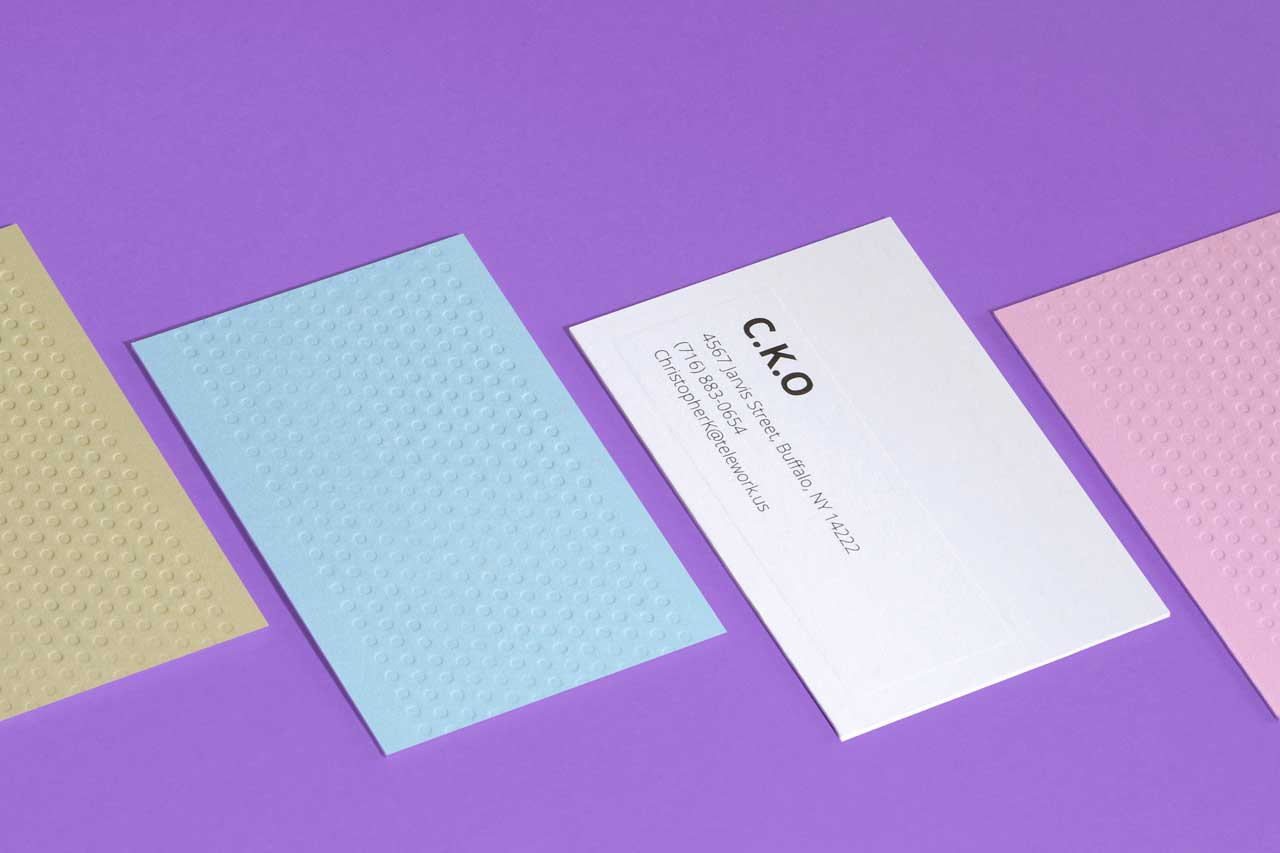
A boutique owner hands a card to a shopper at checkout, then hands a different kind of card to a wholesale buyer at a trade show the following week. Neither a premium Moo card nor a cheap Vistaprint card can flex between these two very different audiences, which is exactly the gap a digital business card for retail business owners fills.
Retail owners network on two distinct sides of the business. Consumers interact in-store, while wholesale buyers and vendor reps connect at trade shows and gift shows. A single static card cannot reasonably serve both audiences well.
Why One Printed Card Cannot Cover Both Audiences
A card designed for a shopper usually needs a loyalty program link or an online store link. A card designed for a wholesale buyer needs a catalog and ordering information instead. Printing two separate card types means managing two inventories, and a boutique business card or small retail store business card built for one audience often reads as irrelevant to the other.
What a Flexible Retail Card Needs
An online store link QR code lets an in-store shopper save a direct path to browse products later, extending a single visit into an ongoing relationship.
A retail loyalty program card gives repeat shoppers an easy way to join a rewards program without filling out a form at checkout.
A product catalog link matters far more to a wholesale buyer than store branding does, since buyers need to see available inventory and terms quickly.
Retail trade show networking benefits from a card that points a vendor rep or buyer straight to wholesale terms, rather than a generic storefront description meant for consumers.
A pop-up shop card works well for retailers who set up temporary locations, since the card stays relevant even after the physical pop-up location closes.
An in-store card stand alternative removes the need for a printed stack sitting near the register, letting customers save contact information with a quick scan instead.
Digital business cards for retail store owners solve the audience problem directly, since one card can point to a different linked page depending on who scans it, giving a shopper the loyalty program while giving a wholesale buyer the catalog, all from the same physical card.
Where Moo and Vistaprint Still Fit
A retailer with a single, narrow audience and no wholesale side to the business might still find a simple printed card sufficient. Most retail businesses actively growing beyond a single storefront eventually run into the two-audience problem this comparison describes.
The Real Advantage
A digital business card for retail business owners solves a problem neither Moo nor Vistaprint were built to address, since neither company designs cards around audience-based content switching. That flexibility matters more to a growing retail business than card stock quality ever will.
Frequently Asked Questions
Can the same card really show different content to different people?
Yes. Depending on the setup, a card can link to different pages, so a shopper sees the loyalty program while a wholesale buyer sees the catalog.
Does this work well for a retailer with only one physical location?
Yes, even a single location benefits from separating loyalty program access from wholesale or vendor information on the same card.
Is a digital card practical to use at a busy in-store checkout?
Yes. A quick tap or scan tends to be faster than handing over a printed card and having a customer type in a phone number manually.
How does this help with temporary pop-up shop locations?
Since the card is not tied to a fixed printed address, it stays useful even after a pop-up location closes, pointing customers to the main store instead.
Can a retail owner update the catalog link without reprinting anything?
Yes. Updating the linked catalog page applies to every card already handed out, without needing a new print run.